Deeper Than Skin
Tatto Studio
Tatto Studio
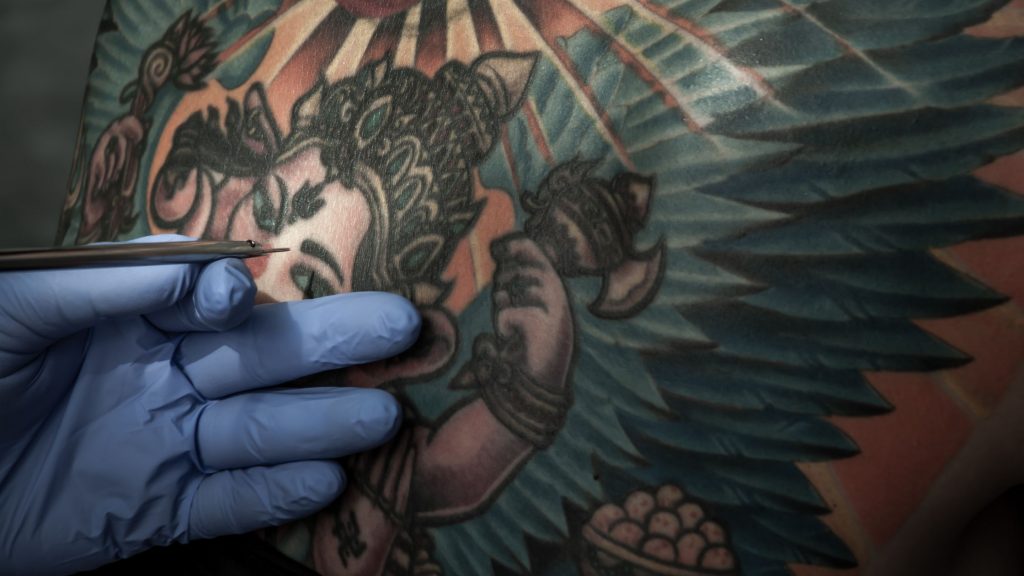
Tattoos, as an ancient form of self-expression, have traversed time and cultures, leaving an indelible mark on the human narrative. Join us as we embark on a journey through the fascinating history of tattoos, exploring their evolution from ritualistic symbolism to a modern art form.
The art of tattooing dates back thousands of years, with evidence suggesting its existence in Neolithic times. Ötzi the Iceman, a naturally mummified man from around 3300 BCE, was discovered in the Alps with tattoos on his skin. These early markings were likely tied to religious or spiritual practices.
Tattoos played a significant role in various ancient cultures. In Egypt, tattoos were associated with fertility and were found on female mummies. The Polynesians, known for their intricate tattoo traditions, used tattoos to signify status, genealogy, and rites of passage.
Indigenous communities across the globe have long embraced tattoos as a means of cultural identity. From the Maori in New Zealand to the Ainu in Japan, each culture crafted unique tattoo traditions that conveyed stories of heritage, strength, and spirituality.
Tattoos often held religious importance, acting as a form of devotion or protection. In Hinduism, tattoos of deities were believed to offer divine blessings. Similarly, in Christian pilgrimages, tattoos served as symbols of faith and personal journeys.
Tattoos faced stigmatization in Western societies for centuries. However, the 20th century witnessed a renaissance, spearheaded by artists like Norman “Sailor Jerry” Collins. The introduction of electric tattoo machines in the late 1800s revolutionized the industry, making tattoos more accessible and precise.
Today, tattoos have transcended their historical connotations, becoming a mainstream art form. The rise of tattoo studios, international conventions, and renowned artists has contributed to the widespread acceptance and appreciation of tattoos as a legitimate art medium.
From traditional styles like American Traditional and Japanese Irezumi to contemporary trends such as watercolor and geometric designs, the world of tattoos is a kaleidoscope of styles, reflecting individual tastes and artistic expressions.
As we navigate the rich tapestry of tattoo history, it becomes evident that these enduring symbols have woven themselves into the very fabric of human culture. Tattoos are more than just ink on skin; they are visual narratives, telling stories of tradition, identity, and the ever-evolving human experience.
Whether ancient or modern, tribal or urban, tattoos persist as a timeless testament to humanity’s innate desire to leave a mark, a legacy, and an imprint on the canvas of history. So, ink enthusiasts, as you contemplate your next tattoo, remember that you are part of a lineage that spans centuries, a tradition that has evolved and continues to redefine itself in every stroke.